

Projects / Advisory
Case Studies on Failure Investigations
International
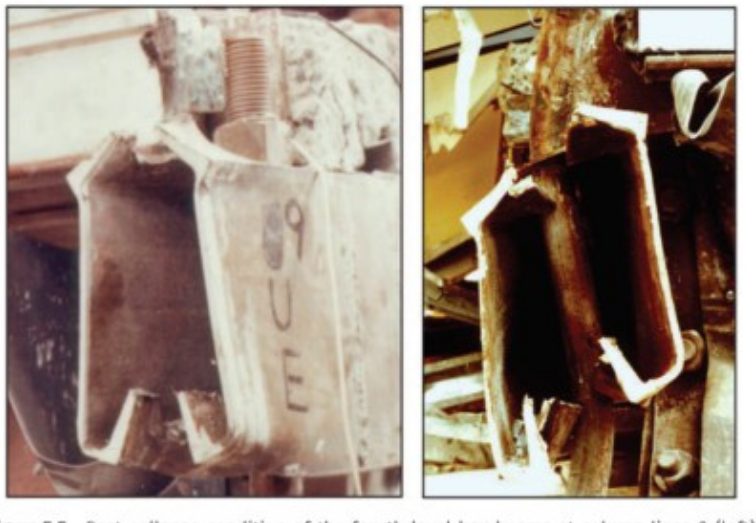 Extract from CS4 IABSE Publication; photo: Wiss, Janney, Elstner Associates, Inc.
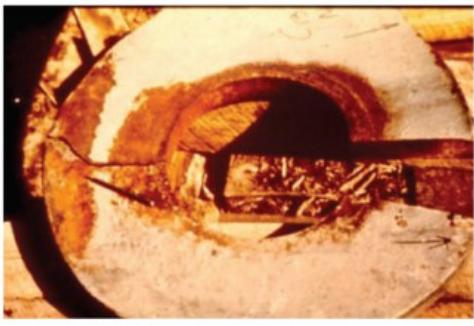 Extract from CS4 IABSE Publication
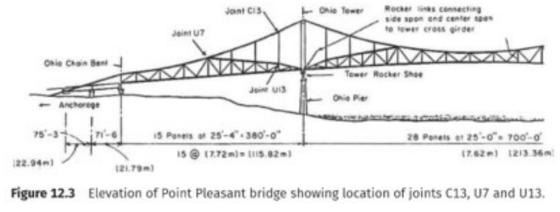 Extract from CS4 IABSE Publication
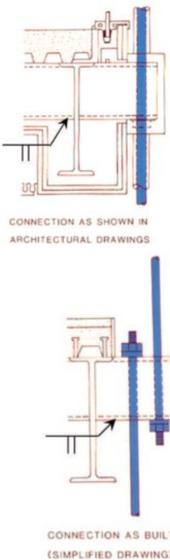 Extract from CS4 IABSE Publication
 Extract from CS4 IABSE Publication
- Client
- IABSE Publication
- Location
- International
- Dates
- 2023
- Construction cost
- Not applicable
- Key services
- Co-Editor
- Technical Reviewer
- Author of Chapters 1 and Editorial
- Typology
- Bridges
- Buildings
- Towers
- Foundation
The failure of a structure is defined as either the non-conformity of the structure to withstand the design expectations leading to loss of structure integrity (Ultimate Limit State ULS failure), i.e. the loss of load-carrying capacity, or inadequate difference between the intended behaviour and actual performance of the structure (Serviceability Limit State SLS failure). Thus, it ranges from hardly visible minor defects to catastrophic collapses.
It can be total or partial collapse of the structure (ULS), extensive or serious damage without collapse (ULS), sign of distress (SLS), excessive deformation (SLS), deterioration (SLS), unacceptable aesthetic appearance (SLS), unreasonable maintenance need (ULS or SLS), soil settlement (ULS or SLS). The practice of forensic structural engineering involves engineering investigations of structural failures, determination of the causes and triggering effect, as well as rendering opinions in the share of responsibilities across the different stakeholders (project members) and, should it be required, giving testimony in judicial proceedings.